
Traditional Techniques, Timeless Results
Each binding method has its own character, durability, and aesthetic. Understanding these techniques helps you choose the perfect binding style for your project. Below, we explore the labor-intensive methods that transform loose pages into enduring volumes.
Case Binding
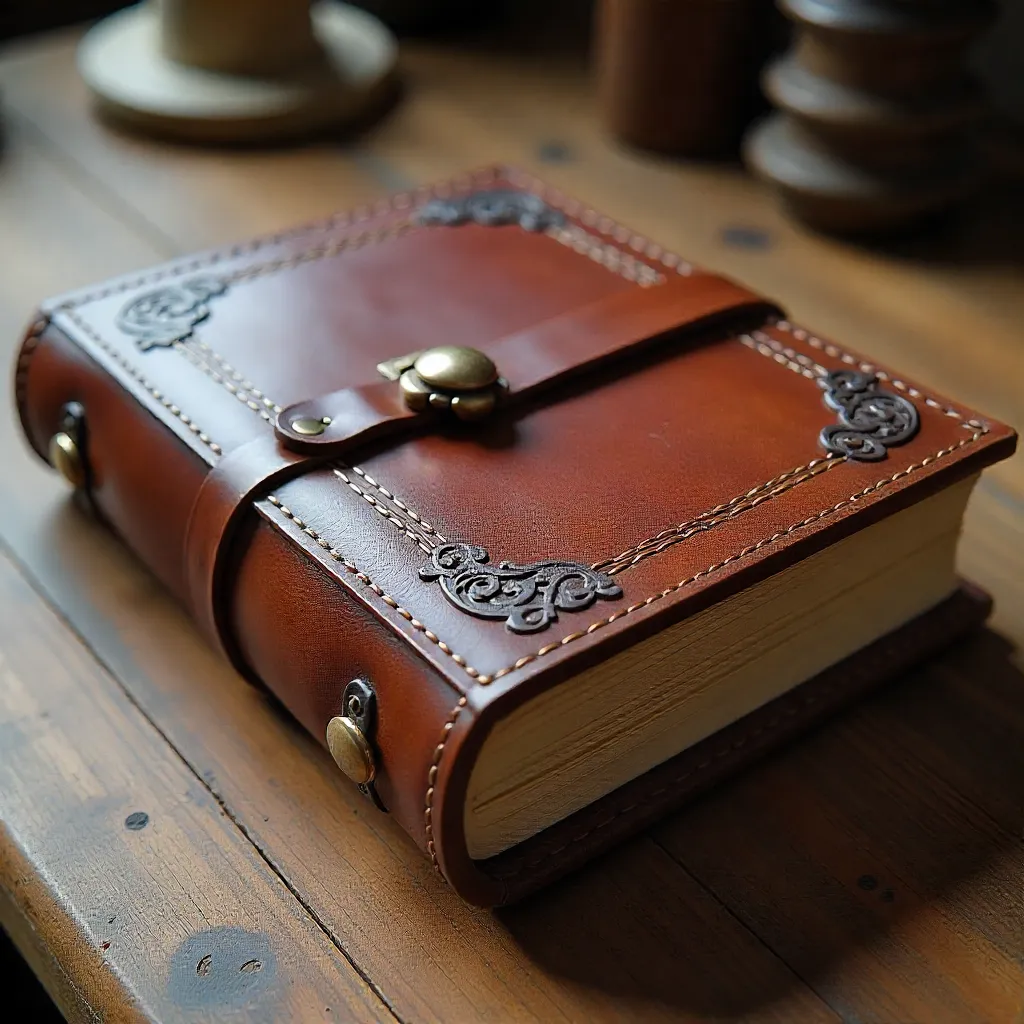
Case binding is the most durable and traditional hardcover method. Pages are folded into signatures, sewn together through the fold, and then attached to a rigid case made of boards covered in leather or bookcloth.
The spine allows the book to open comfortably while maintaining structural integrity. This method is ideal for journals that will see frequent use, as the hardcover protects the pages and the sewn binding ensures longevity.
Best for: Daily journals, reference books, collections that need to withstand regular handling.
Coptic Stitch
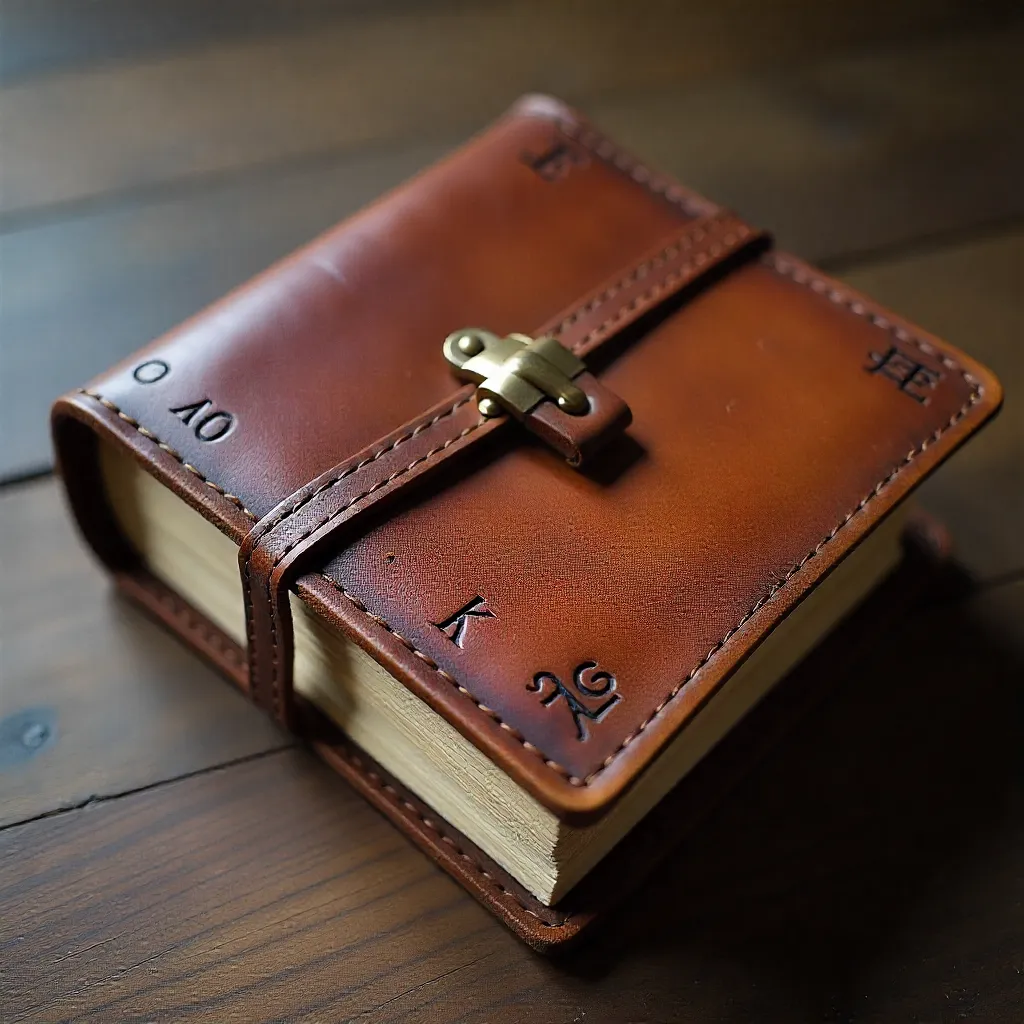
Coptic binding creates a distinctive exposed spine with decorative chain-link stitching. This ancient technique allows the book to lie completely flat when open, making it perfect for sketchbooks, journals, and art books.
The binding involves sewing signatures directly to each other using a chain stitch pattern, creating both structural strength and visual appeal. The exposed stitching becomes a design element, showcasing the craftsmanship.
Best for: Sketchbooks, art journals, notebooks that need to open flat, decorative bindings.

Japanese Stab Binding
Japanese stab binding, or Yotsume toji, is a side-sewn technique that creates elegant patterns along the binding edge. Pages are stacked and sewn through pre-punched holes using decorative patterns like the four-hole, tortoise shell, or hemp leaf designs.
This method creates a distinctive aesthetic and allows for creative expression through stitch patterns. While it doesn't allow the book to lie completely flat, it offers a unique visual character that complements certain types of content.
Best for: Special collections, poetry books, photo albums, projects where aesthetic presentation is paramount.

Concertina Binding
Concertina binding, also known as accordion fold, creates a continuous page that folds like an accordion. This method allows for seamless panoramic spreads and is perfect for displaying sequences of images or text that flow continuously.
The pages are folded into a single continuous sheet, which can then be attached to covers. This binding style is ideal for visual storytelling, where the format itself becomes part of the narrative experience.
Best for: Photo sequences, visual narratives, display books, artistic presentations.

Smyth-Sewn Binding
Smyth-sewn binding combines the durability of sewn signatures with a flexible spine that allows the book to open flat. Signatures are sewn together through the fold, then the spine is reinforced with a flexible backing material.
This method offers the best of both worlds: the strength of sewn pages and the convenience of a flat-opening book. It's the preferred method for high-quality books that need to balance durability with usability.
Best for: Premium journals, reference books, collections that need both durability and flat-opening capability.
Ready to Choose Your Binding?
Each technique requires different materials, time, and expertise. During your consultation, we'll help you select the perfect binding method for your project.
Schedule a Consultation